- October 01, 2026
- Written by Brevity Mortgages
How Debt Can Affect Your Mortgage Approval
How Your Debt Can
Affect Your Mortgage Approval
When applying for a
mortgage, lenders look at more than just your income and credit score. Your
existing debt and monthly debt payments can also have a significant impact on
how much you may qualify to borrow.
Whether you are a
first-time homebuyer, refinancing your current mortgage or renewing with a new
lender, understanding how your debt affects your mortgage application is
important.
Things You Should
Know
When a lender reviews
your mortgage application, one of the things they want to determine is whether
you can comfortably manage a mortgage payment along with your existing
financial obligations.
Your income is an
important part of this assessment, but lenders also consider your recurring
debt payments.
For example, you may
have:
- Credit card balances
- Car loans or leases
- Lines of credit
- Student loans
- Personal loans
- Other mortgages
- Alimony or support payments
- Other ongoing financial obligations
The more of your monthly income that is already committed to debt payments, the less room there may be for a new mortgage payment.
Your Debt-to-Income
Ratios Matter
Mortgage lenders
commonly use debt-service ratios to assess whether a borrower can take on
additional debt.
Two important
calculations are Gross Debt Service (GDS) and Total Debt Service (TDS).
Gross Debt Service
(GDS)
GDS looks at your
housing-related expenses compared with your gross household income.
Depending on the
mortgage application, housing costs can include:
- Mortgage principal and interest
- Property taxes
- Heating costs
- A portion of applicable condominium fees
GDS helps lenders
assess how much of your income would be required to maintain your home.
Total Debt Service
(TDS)
TDS goes one step
further by including your housing costs plus other debt obligations.
This can include
payments for:
- Credit cards
- Lines of credit
- Car financing
- Personal loans
- Student loans
- Other outstanding debts
This is why two
borrowers with the same income may qualify for different mortgage amounts if
their existing debt levels are different.
Credit Card Debt
Can Affect Your Mortgage Application
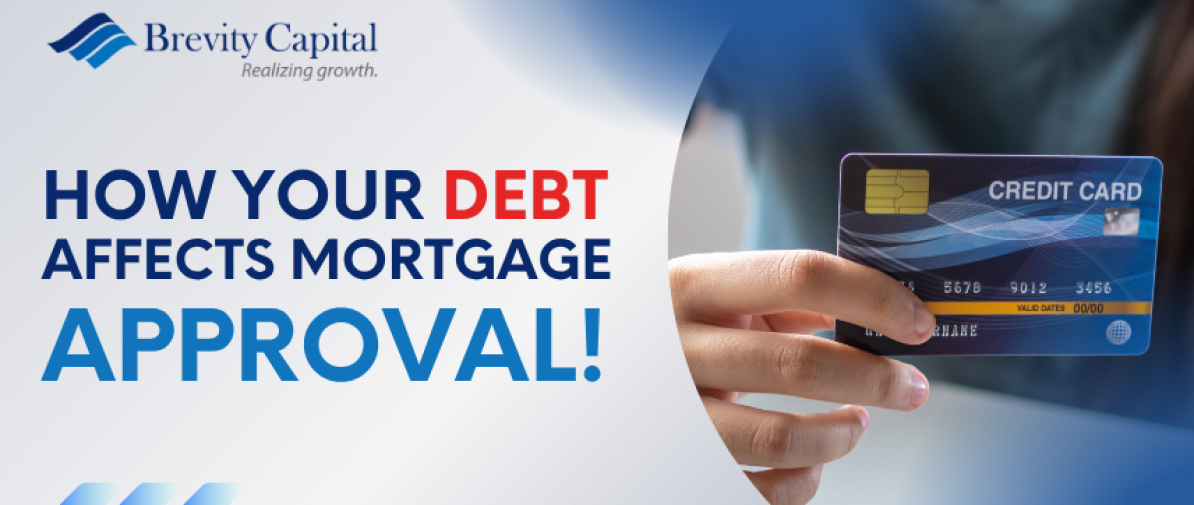
Carrying a balance on
your credit card can affect your mortgage application in more than one way.
Your credit
utilization can also affect your credit profile. For example, consistently
using a high percentage of your available credit may have an impact on your
credit score.
If you're planning to
apply for a mortgage, it's worth reviewing your credit card balances and
payment obligations before submitting an application.
Car Loans and
Leases Can Reduce Your Borrowing Capacity
A car payment may seem
unrelated to buying a home, but it can have an impact on your mortgage
qualification.
Suppose you have a
significant monthly car payment. That payment is already taking a portion of
your monthly income, which can reduce the amount of income available for a
potential mortgage payment.
This doesn't necessarily mean you cannot qualify for a mortgage. It simply means your existing obligations are part of the overall picture lenders review.
Lines of Credit and
Personal Loans
Lines of credit and
personal loans can also affect your mortgage application.
Even if you aren't
currently making large payments toward the balance, lenders may use specific
calculations to determine the debt obligation associated with these accounts.
Before applying for a
mortgage, make sure you understand the balances, limits and payment
requirements associated with your credit facilities.
Does Having Debt
Mean You Can't Get a Mortgage?
Not necessarily. Having
debt is common, and many homeowners have mortgages while also carrying other
forms of credit. At Brevity Capital, we work with a wide range of lenders to
offer more flexibility and solutions for these situations.
The important factors
include the amount of debt, required payments, your income, credit history and
the overall strength of your application.
Someone with a higher
income and manageable debt payments may have a very different borrowing
capacity from someone with the same debt but a lower income.
Mortgage
qualification is not simply about whether you have debt - it is about how your
overall financial picture looks.
What If Your Debt
Is Affecting Your Mortgage Approval?
If your existing debt
is limiting your borrowing capacity, there may be different options to consider
depending on your circumstances.
Pay Down Existing
Debt
Reducing certain debts
before applying for a mortgage may lower your monthly obligations and
potentially improve your debt-service ratios.
However, it's
important to consider your overall financial situation. Using most of your
available savings to pay down debt could leave you with less money for your
down payment, closing costs or emergency expenses.
Consider Debt
Consolidation
For some homeowners,
consolidating higher-interest debts through a mortgage refinance may be an
option.
Depending on your
circumstances and available home equity, refinancing may allow you to combine
certain debts into a single financing arrangement.
Because refinancing
can involve interest costs, penalties and other fees, it is important to review
the overall numbers before proceeding.
Review Your
Mortgage Options
Different lenders may
have different lending policies and qualification guidelines.
If your application
doesn't fit the requirements of one lender, another lender may have a different
approach depending on your financial circumstances.
This is one reason
working with a mortgage professional can be helpful when your financial
situation is more complicated.
What About Bad
Credit and High Debt?
A borrower may have a
strong credit history but carry significant debt. Another borrower may have
manageable debt but a history of missed payments or other credit challenges.
We’ll look at your
complete application, including income, credit history, debt obligations, down
payment and property details.
If you have credit
challenges or significant debt, it is always worth a shot to review your
situation with us rather than assuming you will automatically be declined.
How Can You Prepare
Before Applying for a Mortgage?
Before applying,
consider taking the following steps:
Review your debts: Know your outstanding balances, monthly
payments and credit limits.
Check your credit: Review your credit report for accuracy and
understand your current credit position.
Avoid taking on
unnecessary new debt: Applying
for new credit or financing before a mortgage application can affect your
overall financial picture.
Organize your
documents: Have your income,
employment, debt and other financial documents ready.
Understand your
budget: Don't focus only on
the maximum mortgage amount you may qualify for. Consider what monthly payment
fits comfortably within your overall budget.
Get professional
advice: If you have multiple debts, self-employed income, credit challenges or
other financial considerations, discuss your situation with the Brevity Capital
team before applying.
The Bottom Line
Debt does not
automatically prevent you from getting a mortgage. However, your existing debt
payments can affect your debt-service ratios, borrowing capacity and overall
mortgage qualification.
Understanding your financial position before applying can help you identify potential challenges and explore your options early.
At Brevity Capital, we
find solutions for unique situations. If you’re struggling with debt or dealing
with credit challenges, we can help you review your mortgage options.
Contact Brevity
Capital at (905) 814-4455 or [email protected]
to discuss your situation.
Frequently Asked
Questions
Does credit card
debt affect mortgage approval?
Yes. Credit card balances and their associated payments can be considered when
lenders calculate your debt-service ratios. High credit utilization may also
affect your credit profile.
Does a car loan
affect how much mortgage I can get?
Yes. Your car loan payment is an existing monthly financial obligation and can
affect the amount of mortgage you may qualify for.
Can I get a
mortgage if I already have debt?
Yes. Having debt does not automatically prevent mortgage approval. Lenders
consider your income, debt payments, credit history and other aspects of your
application.
Can debt
consolidation help with mortgage qualification?
In some circumstances, consolidating higher-interest debt may reduce monthly
debt obligations. However, the appropriate solution depends on your financial
situation and the costs involved.
Should I pay off
all my debt before applying for a mortgage?
Not necessarily. Paying down debt can help reduce monthly obligations, but you
also need to consider your down payment, closing costs and emergency savings. Consult
with us first to review your overall situation before deciding how to allocate
your funds.